Dubai, one of the most attractive cities in the world for investors, offers a unique opportunity for long-term residency through its property investment visa programs. The UAE Golden Visa allows foreign investors to live, work, and enjoy the many benefits of residing in Dubai. But what exactly makes a property eligible for long-term residency in Dubai?
To qualify for a long-term residency visa in Dubai through property investment, your property must meet specific criteria: it must be completed, freehold, and valued at a minimum of AED 750,000 for a 2-year renewable visa or AED 2 million for a 10-year Golden Visa. Mortgaged properties require at least 50% of the value to be paid, and you must provide a title deed to prove ownership.
This article will guide you through the requirements and help you understand what you need to know to qualify.
Understanding Dubai’s Long-Term Residency Options
Dubai’s long-term residency options, especially the UAE Golden Visa, have made it one of the leading destinations for real estate investors globally. By investing in property, investors can obtain a renewable 2-year residency visa or even a 10-year Golden Visa.
The key to gaining eligibility lies in meeting specific property requirements, including the minimum investment, property type, and ownership status. So, what makes a property eligible for such a visa? Let’s explore the factors that determine if a property qualifies for a long-term residency visa in Dubai.
Capitalizing on the Waiver of 4% DLD Charges: A Golden Opportunity for Investors
The UAE government has made a major move in making real estate investment attractive by completely exempting the 4% Dubai Land Department (DLD) rates for property buyers. This project renders it the ideal moment to invest and receive a Golden Visa by purchasing a property. This means that the government is cutting the initial fees, making Dubai even more favorable to receiving foreign investors who may be interested in the Golden Visa residency program. This is a rare opportunity to take advantage of the booming real estate market in Dubai and have the perks of long term residency.
Key Eligibility Criteria for Property-Based Residency in Dubai
Minimum Investment for Residency Visas
Dubai offers two types of residency visas based on property investments:
- 2-Year Renewable Residency Visa: Requires a minimum property investment of AED 750,000.
- 10-Year Golden Visa: Requires a minimum investment of AED 2 million in property.
This minimum investment helps ensure that the investor is committed to the city and its economy, making it an attractive option for long-term residency. However, the investment must meet more criteria beyond just the amount of money spent.
Property Type Requirements: Freehold and Completed Properties
To qualify for a property-based residency visa, the property must be completed and freehold. This means that off-plan properties (properties still under construction) do not qualify for long-term residency. Additionally, the property must be residential in nature. Commercial properties or land purchases do not make an individual eligible for a residency visa under this scheme.
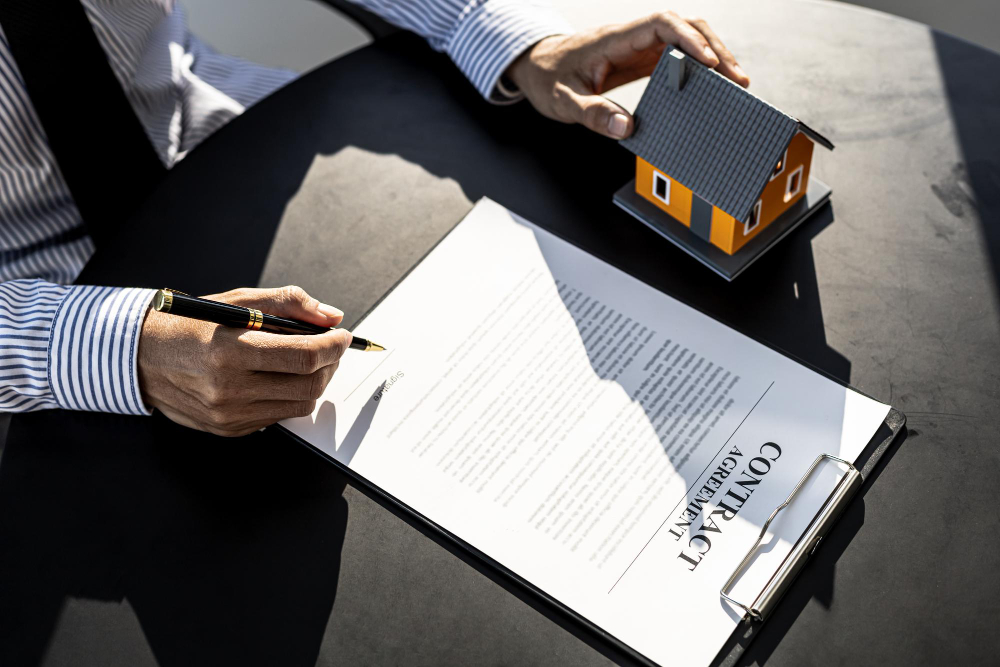
When selecting a property for investment, ensure it is already constructed and ready for occupancy. A freehold property, which means you own the land and the building, is a key requirement. Leasehold properties or those with less than full ownership rights will not be accepted for residency applications.
The Role of Property Valuation in Residency Eligibility
Property valuation plays a crucial role in determining eligibility for a long-term residency visa.
- For the 2-year renewable visa, the property must be valued at AED 750,000 or more.
- For the 10-year Golden Visa, the property needs to be valued at AED 2 million or higher.
It’s important to note that off-plan properties do not qualify for the visa, regardless of their valuation. The valuation of the property will determine not only your eligibility but also the type of residency visa you can apply for.
What If the Property Is Mortgaged?
If you have purchased a property with a mortgage, the investment still qualifies for the residency visa, but with some specific conditions. To qualify:
- At least 50% of the property’s value (or AED 750,000) must be paid off. This ensures that the investor has made a substantial commitment to the property.
- Mortgaged properties are only eligible if the investor has paid at least the required portion. If you haven’t reached the 50% mark yet, you would need to clear that balance to qualify for a visa.
Ownership and Documentation: What You Need to Qualify
Freehold Ownership vs. Off-Plan Properties
As mentioned earlier, to qualify for the residency visa, the property must be freehold, meaning the investor has full legal ownership of the property.
Off-plan properties are not eligible for a visa, so it’s crucial to ensure that the property you purchase is completed and fully owned by you. The title deed is essential as it serves as proof of your ownership, and it is one of the required documents for your residency application.
Title Deed Requirements
A title deed is a legal document that confirms your ownership of the property. It is one of the most important documents when applying for residency. Without it, you will not be able to apply for a visa, regardless of the property’s value or mortgage status. This document proves that the property belongs to you and that you meet the ownership criteria required for long-term residency.
Joint Ownership and Its Impact on Eligibility
If you are purchasing property jointly with another investor, there are some rules to consider.
- Your share of the property must be valued at AED 750,000 or more if you are seeking a 2-year renewable residency visa.
- In the case of a Golden Visa application, the value of your share in the property must meet the AED 2 million threshold.
In joint ownership cases, it is critical that your share of the property meets the necessary investment amount. If not, you will not be eligible for the residency visa.
Different Residency Visas: 2-Year vs. 10-Year Golden Visa
There are two key types of residency visas available to property investors in Dubai:
2-Year Renewable Residency Visa:
There are two key types of residency visas available to property investors in Dubai:
2-Year Renewable Residency Visa:
- Minimum property investment: AED 750,000
- The visa is renewable after 2 years if the property remains owned and registered in your name.
10-Year Golden Visa:
- Minimum property investment: AED 2 million
- This long-term visa allows you to live, work, and enjoy all the benefits Dubai offers for a decade.
The key difference between these visas is the investment amount. While the 2-year visa is accessible with a lower investment, the Golden Visa offers a much longer term and is available to those willing to invest more significantly in Dubai’s property market.
The Importance of Title Deeds in Residency Applications
A title deed not only proves ownership but is a central part of your visa application. You will need to provide a copy of your title deed when applying for the residency visa, and the property’s ownership must be in your name. Without a valid title deed, your application will be rejected.
Joint Ownership and Its ImpACact on Eligibility
Joint ownership can complicate the process of applying for a residency visa. As mentioned, each individual investor’s share in the property must meet the required investment threshold:

- For the 2-year visa, your share must be worth at least AED 750,000.
- For the Golden Visa, the minimum investment required is AED 2 million, and your share must meet this value.
In joint ownership scenarios, the investor needs to demonstrate that their portion of the property investment meets the required minimum value for the visa to be approved.
Additional Documentation for Golden Visa Applications
When applying for a long-term residency visa based on property investment, additional documentation may be required. These include:
- Passport copy
- Title deed (as discussed)
- Police clearance certificate (for background checks)
- Proof of payment for mortgaged properties (if applicable)
Having all the necessary documentation will make the application process smoother and ensure that there are no delays in obtaining your residency visa.
Unlock the Benefits of a Golden Visa in the UAE: Secure Your Future Today!
The UAE Golden Visa provides an exclusive opportunity for investors to secure long-term residency in Dubai. By investing in property worth a minimum of AED 750,000, you can unlock the benefits of living, working, and thriving in one of the world’s most attractive cities. Take advantage of this unique residency visa option and secure your future with the Golden Visa Dubai today.
FAQs
Can I apply for a UAE Golden Visa if I am purchasing a property under my company name?
No, the property must be in your personal name to qualify for a residency visa.
What happens if the property value drops after I’ve applied for the visa?
As long as the property meets the minimum investment value at the time of the application, a drop in value does not affect your residency.
Is it possible to extend my residency visa beyond the initial term?
Yes, the 2-year renewable residency visa can be extended as long as the property remains in your name and meets the requirements.
Do I need to pay property taxes in Dubai to qualify for the residency visa?
Dubai does not have property taxes, but you may have to pay other fees like registration and service charges to maintain the property.
Can I apply for a Golden Visa if the property is leased to tenants?
Yes, as long as the property is freehold, completed, and meets the investment criteria, leasing it does not disqualify you from applying for a Golden Visa.
Conclusion:
Investing in property to secure a long-term residency visa in Dubai offers incredible opportunities for investors. Whether you choose the 2-year renewable visa or the 10-year Golden Visa, meeting the key eligibility criteria will ensure you can enjoy all the benefits that Dubai has to offer.
To qualify, you must meet the minimum property investment, ensure the property is freehold and completed, and have the necessary documentation, including a title deed. Understanding the nuances of the ownership status, joint ownership rules, and mortgaged properties will help you navigate the process smoothly.
Recommended Articles:
What Happens If Your UAE Golden Visa Property Is Under Construction (Off-Plan)?
Is the Dubai Golden Visa Worth It for Property Investors? (2025 Guide)
When Is the Best Time to Invest in Dubai Property for Residency?
Is RERA Valuation Mandatory for Golden Visa Property in Dubai?