To get a Dubai virtual work residence visa, you apply online through the General Directorate of Residency and Foreigners Affairs (GDRFA), prove that you work remotely for a company based outside the UAE, show a monthly income of at least USD 3,500, and hold valid health insurance. Approval gives you a residence permit that lasts one year and can be renewed.
The visa comes in two stages. First you get an entry permit. Then, after a quick medical test and an Emirates ID step, that permit turns into your one-year residence. The whole thing is handled online, with no job offer from a local company needed. Here is exactly how the process works, what it costs, and what to prepare.
What is the Dubai virtual work visa?
The Dubai virtual work visa is a one-year residence permit for people who live in Dubai while working remotely for an employer, client, or business based outside the UAE. The UAE launched it in 2021 as part of its Virtual Working Programme. You will also see it called the remote work visa or the digital nomad visa.
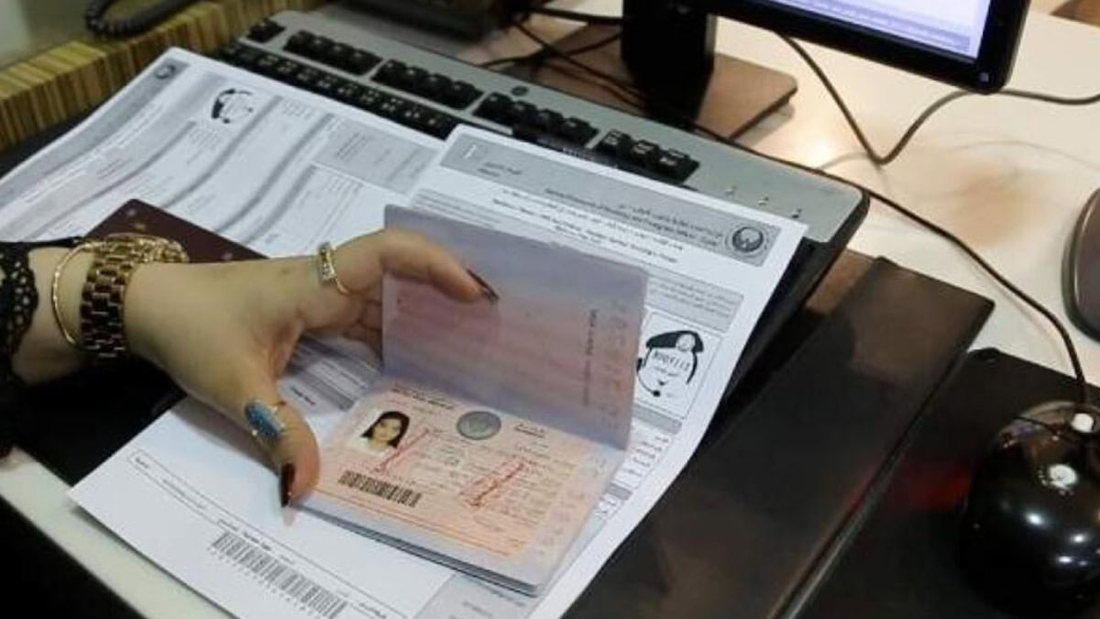
The main rule is simple. Your income has to come from outside the UAE. You cannot take a job with a Dubai company or serve UAE-based clients on this visa. It is built for remote employees, freelancers with foreign clients, and founders running a company registered somewhere else.
In return you get a proper UAE residence, not just a long tourist stay. That means an Emirates ID, and the ability to open a bank account, sign a lease, get a local SIM, and sponsor your family. There is also no personal income tax in the UAE, which is a big part of the draw.
Who can apply?
You can apply if you work remotely for a company outside the UAE and meet a few financial and document checks. There is no degree requirement, no age limit, and no nationality restriction beyond normal security screening.
The core requirements are:
- Remote income from outside the UAE, as a salaried employee, a freelancer with foreign clients, or the owner of a company registered abroad.
- A monthly income of at least USD 3,500 (about AED 12,800), shown as a steady pattern rather than a one-off spike.
- A passport valid for at least six months.
- Valid health insurance that covers you in the UAE.
Money from a UAE employer or a UAE-based client does not count. The income has to be earned remotely from abroad. That single point decides most applications.
What documents do you need?
You upload a short set of documents, all in English or Arabic. The list is shorter than many people expect.
For the first stage, the entry permit, you provide:
- A recent colour photo with a white background.
- A passport copy valid for at least six months.
- Proof of remote work, such as an employment contract, a business licence, or client contracts.
- Proof of income of at least USD 3,500 a month, usually bank statements. Three months is the common minimum, and six months makes a stronger file.
- A valid health insurance document that covers the UAE.
At the second stage, after you enter the country, you add your medical fitness test result and your Emirates ID application receipt.
Tip: Your bank statements and employment letter are the documents most likely to get a file rejected. Make sure the name, dates, and income figures match across every document before you start the online form.
The step-by-step process
Here is the full path from start to residence permit. In Dubai, everything runs through GDRFA rather than an embassy visit.
- Gather and check your documents. Collect your passport, photo, remote-work proof, income statements, and health insurance, and confirm the details agree across all of them.
- Open the GDRFA online service. Register an account or log in with UAE Pass, then find the Visa Issuance (Virtual Work) service. You can also start from the official Work Remotely from Dubai page.
- Fill in the application and upload documents. Enter your personal, employment, and income details, and attach each document as a PDF.
- Pay the fees and submit. Pay the application and entry permit fees online. GDRFA lists a turnaround of about 48 hours for the virtual work entry permit.
- Enter the UAE on the entry permit. The entry permit gives you 60 days from the day you arrive to finish the residence steps.
- Take the medical fitness test. Visit an approved centre for a quick health test. Many centres return electronic results the same day.
- Apply for your Emirates ID. Complete your biometrics at a designated centre. The Emirates ID is your main local ID card.
- Receive your residence permit. Once the medical and Emirates ID steps are done, GDRFA issues the one-year residence permit, usually within about 48 hours, and sends it to you electronically.
That is the whole thing. Most of it is online, and you only need to be in the UAE in person for the medical test and the biometrics. If you apply from any emirate other than Dubai, the process is the same but runs through the federal ICP instead of the GDRFA.
How much does it cost?
The budget is roughly AED 3,500 to 7,000 for the first year. The exact figure swings mostly with your health insurance choice, since the government fees themselves are the small part.
| Item | Approximate cost (AED) |
| Visa application and entry permit | 700 to 1,100 |
| Medical fitness test | 300 to 700 |
| Emirates ID | 370 to 470 |
| Health insurance (per year) | 1,500 to 5,000+ |
Health insurance is the swing factor. A basic plan sits at the low end, while fuller cover, an older applicant, or a family pushes it higher. Fees also shift a little depending on whether you apply directly through GDRFA or use an Amer service centre.
How long does it take, and what are the rules while you hold it
The process is quick. GDRFA lists about 48 hours for the entry permit and roughly another 48 hours for the residence permit once your medical and Emirates ID steps are done. In practice, allow one to three weeks from start to finish, mostly to book the medical test and the biometrics.
Once you hold the visa, two rules matter. You can sponsor your spouse and children for the same one-year period. And you should not stay outside the UAE for more than six months in a row, or your residence can lapse. When the year is up, you renew by submitting a fresh application and showing that you still meet the income and insurance requirements.
Virtual work visa vs. the Golden Visa
The virtual work visa is a one-year residence. If you want to stay for the long run, the next step up is the golden visa.
The UAE golden visa is a five- or ten-year renewable residence that you sponsor yourself, with no employer or local sponsor needed. The most common routes are buying property worth at least AED 2 million or qualifying as a skilled professional on a salary of AED 30,000 a month or more with an attested degree. The Dubai golden visa also covers investors, entrepreneurs, scientists, and people with exceptional talent.
The virtual work visa does not turn into a golden visa on its own. But living in Dubai on it can be a smart first chapter. You settle in, test the city, and later apply for the golden visa once you buy property or meet a salary or investment route. For many remote workers, the one-year visa is the easy way in, and the golden visa is the long-term goal.
Frequently asked questions
What is the minimum income for the Dubai virtual work visa?
You need to show at least USD 3,500 a month, which is about AED 12,800. It must be remote income from outside the UAE, proven with bank statements and a contract, and it should look steady rather than a single large deposit.
Can I work for a UAE company on this visa?
No. The visa is only for remote work tied to an employer, clients, or a business outside the UAE. Taking a job with a Dubai company or serving UAE-based clients is not allowed and can put your residence at risk.
How long does the Dubai virtual work visa last, and can I renew it?
It lasts one year and is renewable. To renew, you submit a fresh application and show you still meet the income and health insurance requirements. There is no limit on how many times you can renew while you qualify.
Can I bring my family?
Yes. A virtual work visa holder can sponsor their spouse and children for the same one-year period. You will need to show you can support them, and each family member goes through their own medical and Emirates ID steps.
Does the virtual work visa lead to permanent residency or the golden visa?
Not by itself. It does not convert automatically. You can, though, apply separately for the UAE golden visa later if you buy qualifying property, hit the salary route, or meet another golden visa category.
Conclusion
Getting a Dubai virtual work residence visa comes down to one thing: proving you earn at least USD 3,500 a month working remotely for a business outside the UAE, backed by valid health insurance. Apply online through GDRFA, collect an entry permit, then complete a medical test and Emirates ID to receive your one-year residence. A good result is a clean approval in a couple of weeks and a base in Dubai; you can later trade up to a golden visa.
Recommended Articles:
How Much Rental Income Can I Earn From Dubai Property?
Can Buying Property in the UAE Grant You a Permanent Residency Visa?
How Long Is a Property Investor Visa Valid in the UAE?
Abu Dhabi Rent Increase Rules in 2026: What the Temporary 0% Cap Means
List of Emirates Where You Can Buy Property for a Golden Visa Through ICP