Yes. You can move from a 2-year property visa to a 10-year Golden Visa in Dubai, as long as you own qualifying real estate worth at least AED 2 million at the time of purchase. There’s no formal “upgrade” button. You apply for the Golden Visa as a fresh application once your property value clears the threshold, and it replaces your 2-year visa.
The two visas sit on the same ladder, just at different rungs. Both come from owning property in Dubai. The difference is the price tag on that property and what you get once you cross it.
What actually changes when you cross the AED 2 million line
Dubai’s property-linked residency runs on one core rule: the more you’ve invested, the longer your residency lasts. A property worth AED 750,000 or more currently qualifies you for a 2-year investor visa. Once your holdings reach AED 2 million, based on the purchase price on the title deed, you become eligible for the 10-year Golden Visa instead.
The move from one to the other isn’t a renewal or an amendment to your existing visa. It’s a separate application filed under the Golden Visa program, using your current (or newly acquired) property as the qualifying asset. If you’re approved, the 10-year visa is issued, and your old 2-year visa is cancelled as part of the process.
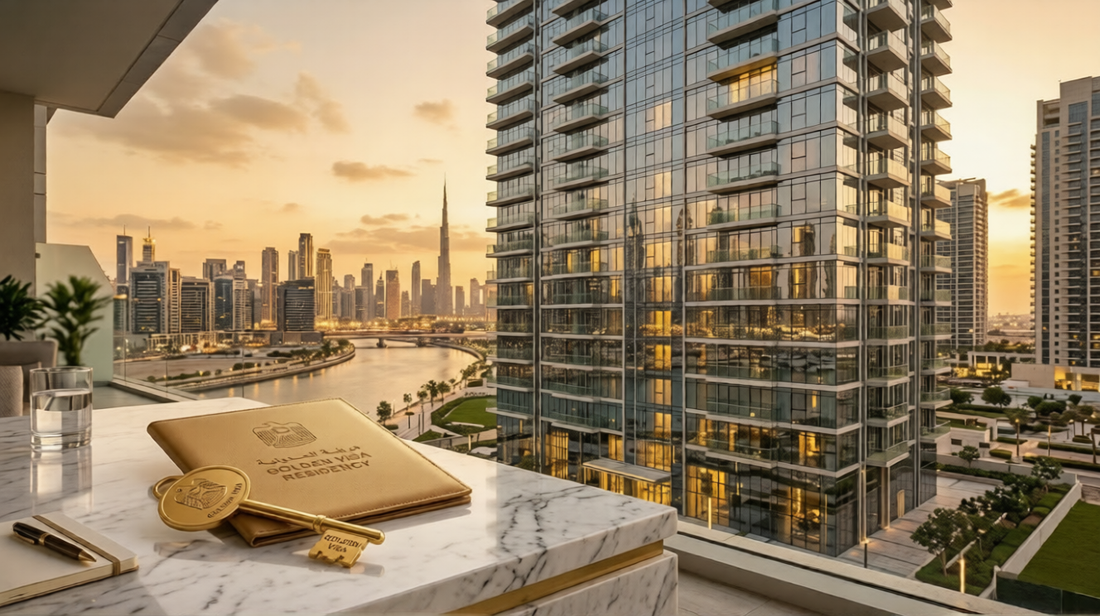
This matters because it changes how you should think about timing. You don’t need your 2-year visa to expire first. You can apply for the Golden Visa the moment your property value qualifies, even if your current visa still has a year or more left on it.
Property investment isn’t the only route into a 10-year residency permit, but it’s the one that overlaps directly with the 2-year visa, since both are triggered by the same asset class. Other Golden Visa categories exist for entrepreneurs, specialised professionals, outstanding students, and public investment through approved funds, but if you already hold a property visa, the real estate route is almost always the fastest path to the 10-year tier because you’re building on something you already own rather than starting a new qualification from scratch.
How to actually qualify
There are two realistic paths from a 2-year visa to a 10-year one, and most people end up using one of them.
Buy more property to reach AED 2 million. The Dubai Land Department allows you to combine the value of multiple properties in your name to hit the threshold. If your existing property was worth AED 750,000 and qualified you for the 2-year visa, buying a second unit worth AED 1.25 million or more brings your combined portfolio to AED 2 million, and you become Golden Visa eligible. There’s no cap on how many properties you can combine, as long as each one is registered in your name with a valid title deed.
Sell and rebuy at the higher value. Some investors instead sell their entry-level property and put the proceeds, plus additional funds, into a single unit worth AED 2 million or more. This works just as well, though it means going through a full sale and purchase cycle rather than simply adding to what you already hold.
A few conditions apply either way:
- The property must sit in a designated freehold area. Dubai has more than 60 of these, including Downtown Dubai, Dubai Marina, Business Bay, Jumeirah Village Circle, and Dubai Hills Estate. Property outside these zones doesn’t count, no matter the price.
- The AED 2 million figure is based on the purchase price recorded on the title deed (or the Oqood contract for off-plan units), not today’s market value. A property bought for AED 1.8 million that has since appreciated to AED 2.3 million still doesn’t qualify on its own.
- Mortgaged property counts, provided you’ve paid enough of your own money and your bank issues a no-objection letter confirming the paid and outstanding amounts.
- Off-plan property from a developer registered with the Dubai Land Department counts too, using the Oqood registration as proof.
- Jointly owned property, most often between spouses, is accepted, but the applicant’s own share needs to reach AED 2 million unless the couple applies together and splits the sponsorship.
If you’re combining properties or relying on a mortgage, it’s worth having the Dubai Land Department (through the DLD’s eServices platform) confirm your total qualifies before you commit to fees and paperwork, since valuation disputes are the most common reason applications stall.
You’ll also need comprehensive health insurance covering yourself and any family members you sponsor, for the full length of your stay. This is a standing federal requirement for the investor category, not something added at renewal time, so it’s worth arranging before your appointment rather than after.
The application process, step by step
Once your property value clears AED 2 million, the process itself is fairly short. Government guidance puts total processing at 7 to 10 business days once your file is submitted.
- Confirm your eligible property value. Get an updated title deed or Oqood contract showing the purchase price. If you’re combining properties, gather title deeds for all of them.
- Gather your documents. You’ll need your passport, the title deed (or e-Certificate of Title), a recent personal photo, your current UAE ID if you have one, and a copy of your existing 2-year residence permit.
- Visit a Golden Visa service center. In Dubai, this means the DLD’s Golden Visa centers, such as Al Manara Center or the Dubai World Trade Centre office, or an approved real estate registration trustee. You submit your documents and pay the fees in person.
- Pay the fees. As of the current fee schedule, the total for a single applicant’s 10-year residency comes to roughly AED 9,885, covering the medical exam, Emirates ID, residency permit confirmation, Dubai Land Department charges, and administrative fees. Sponsoring a spouse or children adds further family sponsorship fees.
- Complete the medical exam. This happens at the service center as part of the same visit.
- Wait for approval and receive your permit. Once approved, the residence permit is sent to you by email, and your new Emirates ID follows.
You must be physically inside the UAE to submit the application. Applying by proxy or through a representative isn’t allowed for the applicant, though documents can be uploaded in advance through the DLD’s digital vault to speed up the in-person visit.
What the 10-year visa gives you that the 2-year one doesn’t
The jump isn’t just about the number of years. A few practical differences make the Golden Visa worth the extra investment for people who plan to stay in the UAE long term.
| 2-year property visa | 10-year Golden Visa | |
| Minimum property value | AED 750,000 | AED 2,000,000 |
| Validity | 2 years, renewable | 10 years, renewable |
| Sponsor | Requires a sponsor tied to the visa type | Self-sponsored, no employer or local sponsor needed |
| Time outside UAE | Subject to absence limits | No minimum stay requirement |
| Family sponsorship | Limited, tied to visa terms | Spouse, children of any age, and domestic staff |
| Renewal condition | Maintain qualifying property value | Maintain the AED 2 million investment |
The self-sponsorship point matters more than it sounds. On the 2-year track, your residency is directly and narrowly tied to that one property meeting the threshold, and the terms around dependents are tighter. The Golden Visa removes any employer or local sponsor requirement entirely and lets you sponsor your spouse, your children regardless of age, and domestic staff under the same file.
The absence rule is the other big one. If you travel frequently or split time between countries, the Golden Visa doesn’t penalize you for staying outside the UAE for more than six months at a stretch, something that can jeopardize standard residence visas. For property investors who don’t live in the UAE full time, that alone often justifies the extra cost of getting to AED 2 million.
Keeping the visa once you have it
Getting the 10-year visa isn’t the end of the story. The visa stays valid only for as long as you hold qualifying property. If your total portfolio value drops below AED 2 million, whether through a sale, a partial transfer, or splitting ownership with someone else, you risk losing eligibility at your next renewal.
You don’t need to keep the exact same property for the full ten years. You can sell a unit and buy another, or restructure a multi-property portfolio, as long as your holdings stay at or above the threshold throughout. Many investors use this flexibility to consolidate several smaller units into one larger asset, or the reverse, without ever falling out of Golden Visa status.
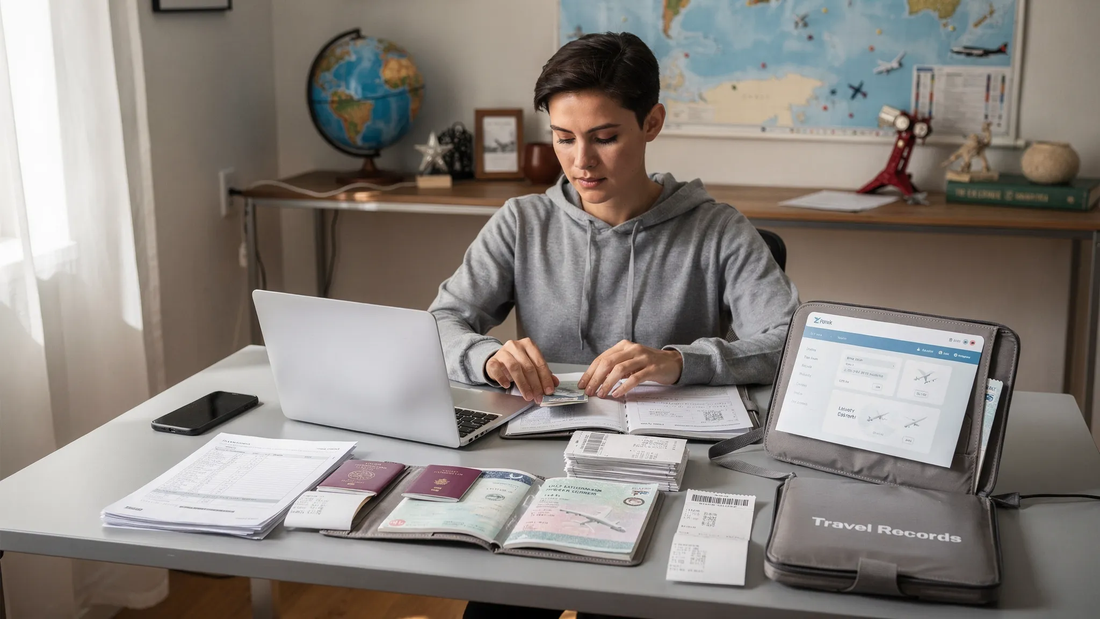
Selling and not replacing the property is where people run into trouble. The 2-year visa in that situation simply runs to its expiry date without renewal. The Golden Visa is different: if the property carries a lien tied to the visa, that lien needs to be released, typically through visa cancellation or a switch to another qualifying property, before the sale and transfer can complete at the Land Department. If you plan to sell and rebuy above AED 2 million, lining up the replacement property before or immediately after the sale keeps your residency status intact.
Renting out the property doesn’t affect your standing either way. Dubai Land Department and immigration authorities assess eligibility purely on the registered property value, not on whether you live in it. If the unit is mortgaged, check with your bank on tenancy conditions, since most lenders require the lease to be registered through Ejari and want to be notified before the unit goes on the rental market.
What it costs beyond the property itself
Buying your way into a higher visa tier isn’t just about the property price gap. Budget for these on top of the AED 2 million (or combined-portfolio) investment:
- Government fees: around AED 9,885 for a single 10-year applicant, covering the medical test, Emirates ID, and DLD charges.
- Family sponsorship: roughly AED 5,775 per dependent for a 10-year family residence permit, plus a smaller file-opening fee and AED 100 per sponsored person in administrative notes.
- Property transaction costs, if you’re buying a second unit: Dubai’s standard 4% DLD transfer fee, plus any agency commission, applies on top of the purchase price, separate from the visa fees themselves.
- Bank NOC costs, if part of your property is mortgaged: banks typically charge a processing fee to issue the no-objection letter confirming your paid equity.
None of these are optional add-ons. They’re the real, all-in cost of the move, and skipping the estimate is the most common reason people are surprised at the service center.
Common situations that trip people up
A few scenarios come up often enough to spell out directly.
- Your property has appreciated past AED 2 million, but you paid less. The visa threshold is based on what you paid, as recorded on the title deed, not what the unit is worth today. Appreciation on paper doesn’t move you into Golden Visa territory on its own.
- You and your spouse jointly own a property under AED 4 million. If the joint value is below AED 4 million, only one of you can apply as the primary Golden Visa holder, with the other sponsored as a dependent. The applicant’s individual share still needs to meet the AED 2 million mark, or the couple needs to apply together correctly structured.
- You have a mortgage and aren’t sure it counts. It does, as long as you’ve paid down enough of your own funds to meet the threshold and your bank provides a formal no-objection letter. Since a 2026 update, mortgaged and off-plan properties are treated the same way as fully paid ones for this purpose, provided the certified value clears AED 2 million.
- You’re currently outside the UAE. You’ll need to be physically present in the country to submit the application and complete the medical exam. Plan your trip around this if you’re applying from abroad.
Frequently asked questions
Do I need to wait for my 2-year visa to expire before applying for the Golden Visa?
No. You can apply as soon as your property value reaches AED 2 million, even with time left on your current visa. The Golden Visa application replaces it once approved.
Can I combine two smaller properties to reach the AED 2 million threshold?
Yes. The Dubai Land Department allows any number of properties registered in your name to be combined, as long as each has a valid title deed and the total meets AED 2 million.
Does a mortgaged property still count toward the Golden Visa?
Yes, provided you’ve paid enough of your own funds toward it and your bank issues a no-objection letter confirming the paid and outstanding amounts on the loan.
How long does the Golden Visa application take once I qualify?
Government processing typically takes 7 to 10 business days after you submit your documents and pay the fees at a Golden Visa service centre.
Will my 2-year visa be cancelled automatically once I get the Golden Visa?
Yes. The Golden Visa application is a separate filing that results in your new 10-year permit being issued, and your prior 2-year visa is cancelled as part of that process.
Conclusion:
Moving from a 2-year property visa to a 10-year Golden Visa comes down to one number: get your qualifying property value, single unit or combined portfolio, to AED 2 million on the title deed or Oqood contract, then apply directly for the Golden Visa. It replaces your existing visa rather than extending it. Budget close to AED 10,000 in government fees on top of the property cost, and expect the file itself to move in about a week to ten days once submitted in person.
Recommended Articles:
Can a 2 Year Property Visa Be Renewed Indefinitely?
Can You Convert a 2 Year Property Investor Visa to a Golden Visa?
How Long From Property Purchase to Golden Visa Approval?
Does the UAE Golden Visa give citizenship in the UAE?
Can Multiple Properties Be Combined for Dubai Golden Visa Eligibility?